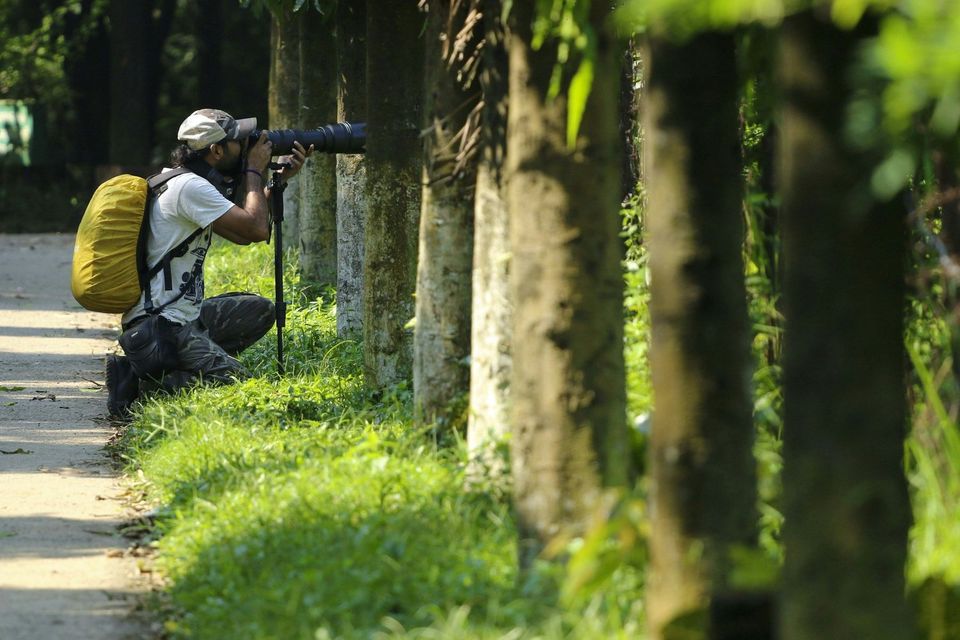
Filming nature documentaries means being ready for the outdoors, no matter what the weather does. That includes shooting in high heat. In Florida, where winters stay warm and humid, nature crews keep working long after other places start to cool. Even in December, field days come with strong sun, sweaty gear, and wildlife hiding in the shade.
Capturing something real takes more than patience. It takes planning, instinct, and a sharp grasp of how heat affects everything on set—from camera gear to wild animal behavior. For those filming in the South, it is less about escaping the heat and more about learning how to work with it. That is what keeps nature documentaries feeling honest and watchable, even when the elements push the limits.
Working with Wildlife When It's Hot
Wildlife is unpredictable, but heat consistently shapes their routines. In hot and humid climates, animals slow down or change habits. Some nap through the midday sun. Others push activity to early morning or sunset. Knowing that, documentary crews in Florida adjust their setups to follow natural rhythms.
Holding still for long periods is always part of shooting wildlife. But as temperatures climb, sitting quietly with a long lens gets harder. Light layers and sun protection become priorities, especially when bugs and sweat become part of the job.
Understanding the habits of local species is crucial. In Florida, that means tracking when alligators sun, how herons feed, or which critters pop out at dusk. This groundwork pays off by giving real, natural footage without the need for any staged moments.
Protecting Gear and Crew in Tropical Conditions
Heat puts gear to the test before it ever affects people. Lenses fog, sensors overheat, and batteries deplete faster than expected. Crew in Florida keep camera setups simple, sturdy, and light. Fewer cables and fewer attachments lead to fewer chances for breakdowns.
Keeping people comfortable is just as important. That means more frequent breaks, planned shade, and plenty of water and snacks. Comfort equals focus out in the field, and that's what keeps shots clean all day long.
Lightweight rigs and mobile camera setups allow operators to shift and react. Ditching heavy rigs in favor of small, powerful cameras and portable protection keeps crews responsive when conditions change quickly.
Hundred Films uses weather-resistant equipment and minimal on-set grips for Florida nature documentaries, so every shoot stays nimble and safe no matter the heat.
Keeping the Look Authentic in Harsh Light
Bright, midday light can be the hardest challenge. Intense sun washes out color, leaves harsh shadows, and can make scenery look flat. Most nature documentaries filmed in Florida deal with days when golden hour simply never comes.
The key is to use what is there: pockets of shade, natural objects for frames, and finding backlight opportunities. Florida shoots rely on reading the land for cover instead of always dragging in overhead flags or bounce boards.
Relying on natural light and controlling it subtly is what keeps the look real. Faces may be half-lit, backgrounds glowing, or colors slightly washed, but that real-life imperfection helps connect the viewer with the heat, humidity, and true feel of the moment.
Planning Stories Around Natural Patterns
Relying on a steady shot list can break a nature documentary if the forecast changes or wildlife does not cooperate. Flexible planning is key. Adapting the order of shots, regrouping on location, or tracking the sun's movement throughout the day often leads to a stronger story.
Crews who work Florida nature documentaries often:
- Plan for shifting call times around animal activity
- Swap shot order when clouds or wind roll in fast
- Keep team size lean for quick pivoting and less disruption
Having a crew with local expertise makes it easy to shift when the natural world decides to change pace. That awareness is what leads to reliable, authentic scenes.
When Heat Helps the Story Work
Not every tough element needs to be worked around. Sometimes, heat helps anchor the story in time and place. Sweat on a guide's neck, insects humming in the background, or heat waves rising from sand all add honesty and texture.
Careful crews do not hide these moments. A mosquito swat or a slowed-down animal run can add to the mood instead of distracting from it. The goal is to keep everything grounded, letting real life bolster the story instead of over-curating every frame.
Leaning in to what nature offers often creates more impact than scripted shots. Allowing unexpected details, like sudden showers or bright, still afternoons, gives the documentary a genuine sense of place and season.
Real Moments Come from the Right Prep
Trust, preparation, and the willingness to adapt are what bring nature documentaries to life—even under pressure from high heat. Being honest with the conditions helps crews work with, not against, what the day provides.
Florida's hot and wild environment brings both chaos and beauty. When filmmakers prepare for local patterns, prep crews with smart habits, and use weather and wildlife as assets, every new day in the field brings chances for unique footage. That's how authenticity shines through, no matter how hot it gets.
At Hundred Films, we've captured some of our favorite nature documentaries right here in Florida, where tight crews, smart setups, and an eye for real detail help the story come through, no matter the weather.